Taiwan leader shows solidarity with Japan in conflict with China by holding up plate of sushi


Taipei — Images of Taiwanese President Lai Ching-te holding a plate of sushi were posted on social media Thursday in a show of support for Tokyo after reports that China will put an end to Japanese imports of seafood products.
The conflict between Japan and China was started by new Japanese Prime Minister Sanae Takaichi suggesting this month that Tokyo could intervene militarily in any attack on Taiwan.
China claims democratic Taiwan as part of its territory and has threatened to use force to bring the self-ruled island under its control.
Lai, an outspoken defender of Taiwan sovereignty who is often heavily criticized by Chinese officials for his stance, has accused Beijing of “severely” affecting regional peace in the escalating feud.
A photo of a smiling Lai holding a plate of sushi was posted on his Facebook page.
“Today’s lunch is sushi and miso soup,” said a message posted with the photo, along with the hashtag #Yellowtail from Kagoshima and scallops from Hokkaido.
X/Lai Ching-te
Similar photos were posted on Lai’s X account, with the message and hashtag written in Japanese.
A video of Lai suggesting to his followers that “maybe it’s a good time to eat Japanese food” was also shared on his Instagram page.
“This fully shows the strong friendship between Taiwan and Japan,” Lai said while holding the plate of sushi.
China’s Foreign Ministry called Lai’s messages a “set-up.”
The posts follow reports in Tokyo media on Wednesday that China would suspend imports of Japanese seafood. Neither government has confirmed this decision.
China has already summoned Tokyo’s ambassador and advised its citizens not to travel to Japan after the clash following Takaichi’s comments. The release of at least two Japanese films will also be postponed in China, according to state media.
Getty/iStock 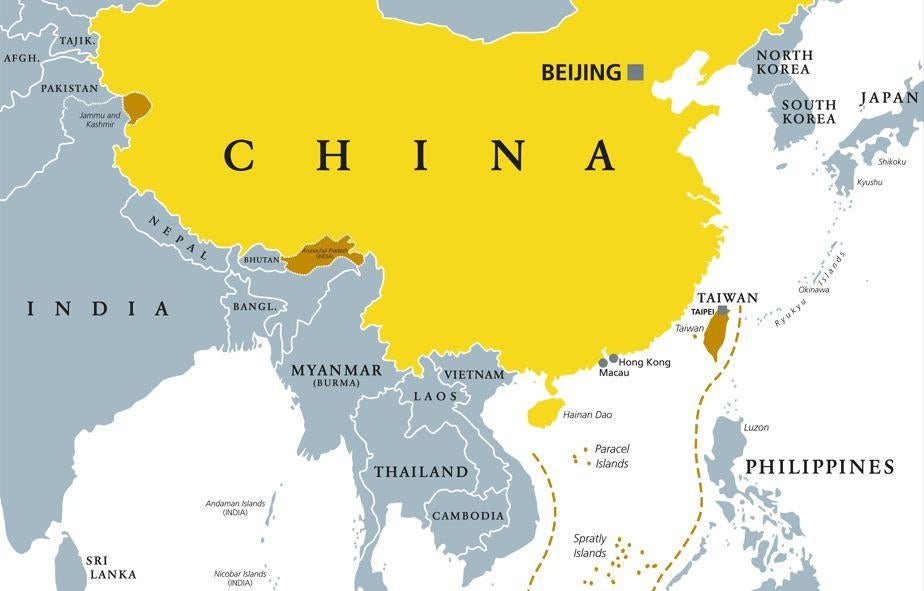
On Monday, Japan declared plane took off after detecting a suspected Chinese drone near the southern island of Yonaguni, close to Taiwan, this weekend.
Chinese Foreign Ministry spokeswoman Mao Ning said Thursday that Japan should “behave with dignity” and take “concrete steps,” including withdrawing Takaichi’s statement, to restore ties.
“Simply stating that its position (on Taiwan) remains unchanged does not address China’s concerns,” she said at a regular news conference.
The US ambassador to Japan, George Glass, pledged that Washington would stand with Tokyo during the conflict.
“Coercion is a hard habit for Beijing to break,” Glass wrote in a social media post on Thursday. “But just as the United States stood with Japan during China’s last unwarranted ban on Japanese seafood, we will be there for our ally again this time.”
Japan’s Chief Cabinet Secretary Minoru Kihara said last week that his country’s position on Taiwan was “unchanged” despite Takaichi’s remarks.
Taiwanese Foreign Minister Lin Chia-lung said the Chinese Communist Party (CCP) “has used tactics such as economic coercion and military intimidation to intimidate other countries” but urged Taiwanese people to visit Japan and buy Japanese products.
“At this critical moment, we must support Japan to be able to stabilize the situation and put an end to the CCP’s bullying behavior,” he said Thursday.
CBS News foreign correspondent Anna Coren said Wednesday there was no apparent way out to ease the tension between Tokyo and Beijing. Japan sent a senior diplomat to Beijing for talks on Tuesday, but there was no significant progress in easing the bilateral standoff.


