
“Pluribus” is a superb and intriguing science fiction series, full of mysteries. These mysteries go beyond the central conundrum surrounding the virus that turns people into calm drones. The Apple TV show, from “Breaking Bad” and “Better Call Saul” creator Vince Gilligan, seems to have a lot to say about our modern times, but its exact point of view remains elusive, even after several episodes of the first season. According to one “Pluribus” writer, this is all intentional, because revealing what the show is trying to say – if anything – would render it completely pointless.
“Pluribus” follows romance author Carol Sturka, who, after the world is thrown into chaos, discovers that she is one of a small group of people immune to the effects of a mysterious virus that otherwise transmogrifies individuals into walking avatars for some kind of alien mental entity. At least we think it’s extraterrestrial. Things aren’t entirely clear at first, which gives fans plenty of room to develop their own theories about what’s going on in “Pluribus.”
But aside from this central mystery, there’s also the question of what the new series is trying to say. What is the subtext here? Is this a carefully constructed allegory? If yes, for what? Well, according to writer, director and executive producer Gordon Smith, audiences won’t be holding their hands on that front. In an interview with The Hollywood Reporter, Smith said that defining the deeper meaning of the series limits its narrative power and prevents people from finding their own meaning in the narrative.
Explaining Pluribus makes the show pointless
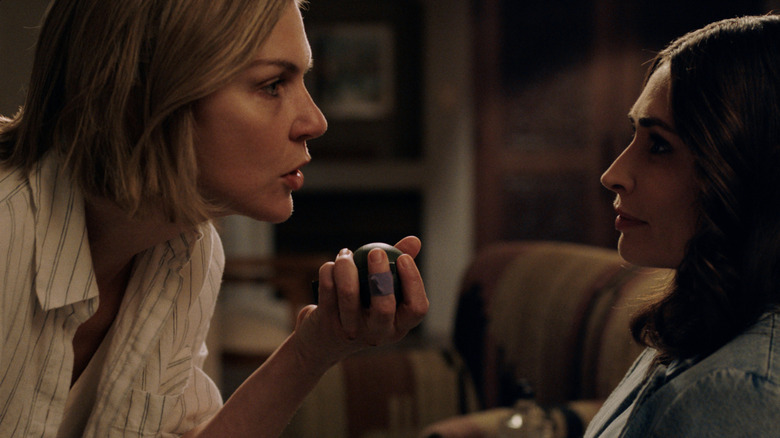
We already know that “Pluribus” won’t have the type of twist many fans are expecting, meaning that despite the Apple TV series being the latest secret remake of the sci-fi classic “Invasion of the Body Snatchers,” we won’t see Rhea Seehorn’s Carol Sturka suddenly transformed into one of the strangely serene servants created by the virus. Additionally, creator Vince Gilligan downplayed the idea that the virus itself is a mystery, saying fans who saw the series premiere might just have all the information they need to figure things out.
This then leaves the other big unanswered question about the series: what are Gilligan and his writers trying to say? In his interview with THR, Gordon Smith acknowledged that there are important and timely themes in “Pluribus,” but didn’t explain exactly what the show’s take on them was. “It’s less rich to say, ‘Oh, it’s a fill-in-the-blank show,'” he said. “If I say it’s a metaphor for not using your phone, you don’t need to watch the show. The show becomes pointless. The show becomes meaningless.”
Many may have noticed the anti-AI statement in the credits of “Pluribus,” which clearly states that the series is “created by humans.” As such, you can very easily read the show as a big polemic against artificial intelligence. But according to Smith, this would limit the scope of the series’ appeal. “There are supporters of AI who will watch the show, and they might feel attacked or supported,” he said. “But if we say, ‘No, it should just be this one-on-one match,’ that limits both the storytelling and the availability of the show to ask questions that people will be interested in.”
Pluribus is a Rorschach test for viewers
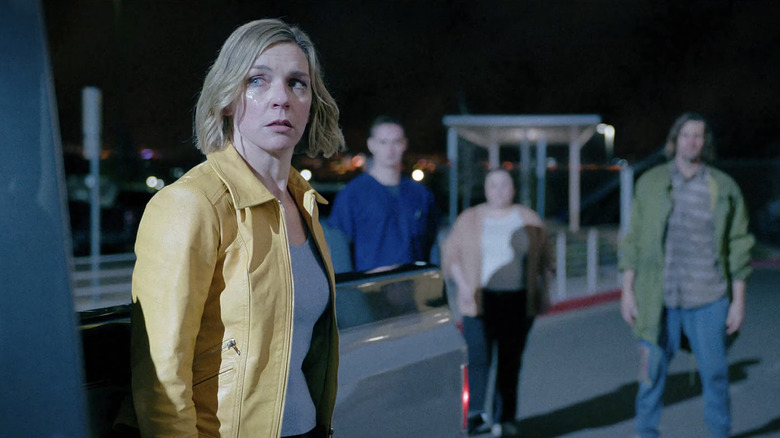
When “Pluribus” begins, Carol Sturka is hosting a live reading event for her latest novel “Bloodsong of Wycaro” (a chapter of which is available to real-world fans as Apple follows a marketing strategy set up by “Severance”). At the event, Sturka is approached by readers whose fanatical love for her novels seems to irritate the author. Soon after, she complains to her manager and partner Helen L. Umstead (Miriam Shor) about her work, which she believes lacks artistic integrity. Helen then reassures her by pointing out how much her books mean something to readers and that it is important to make people happy. Immediately, then, it feels like the series is exploring the meaning of art and the tension between it and entertainment – a hot topic given our modern media landscape, as evidenced by the discourse surrounding Marvel films versus “cinema.”
Then Carol is confronted by a global population of unctuous drones who seem to negate Helen’s argument about keeping people happy. Either Carol will be forced to confront her own misanthropy due to the loss of her fellow human beings to the hive mind, or she will be vindicated in her initial view that art is more important than simply satisfying people in escapism. Then the series throws us for a loop by presenting the idea that these placid human replacements might actually be a positive thing since they’re essentially heralding the arrival of world peace.
So what’s the problem? What is this show about? We’ll have to keep watching to find out, but as Gordon Smith said, just explaining the subtext would make further viewing unnecessary. “It’s such a conceptual show,” he said, “and I hope it makes people think and feel different things in different ways.”


